Ocean + Climate Series: Virtual Workshop #1
Join us for the first in our four-part series of ocean and climate workshops: The Southeastern U.S.
Application period now closed.
Read more about what we have planned!
(All times Eastern.)
Join us for the first in our four-part series of ocean and climate workshops: The Southeastern U.S.
Read more about what we have planned!
(All times Eastern.)
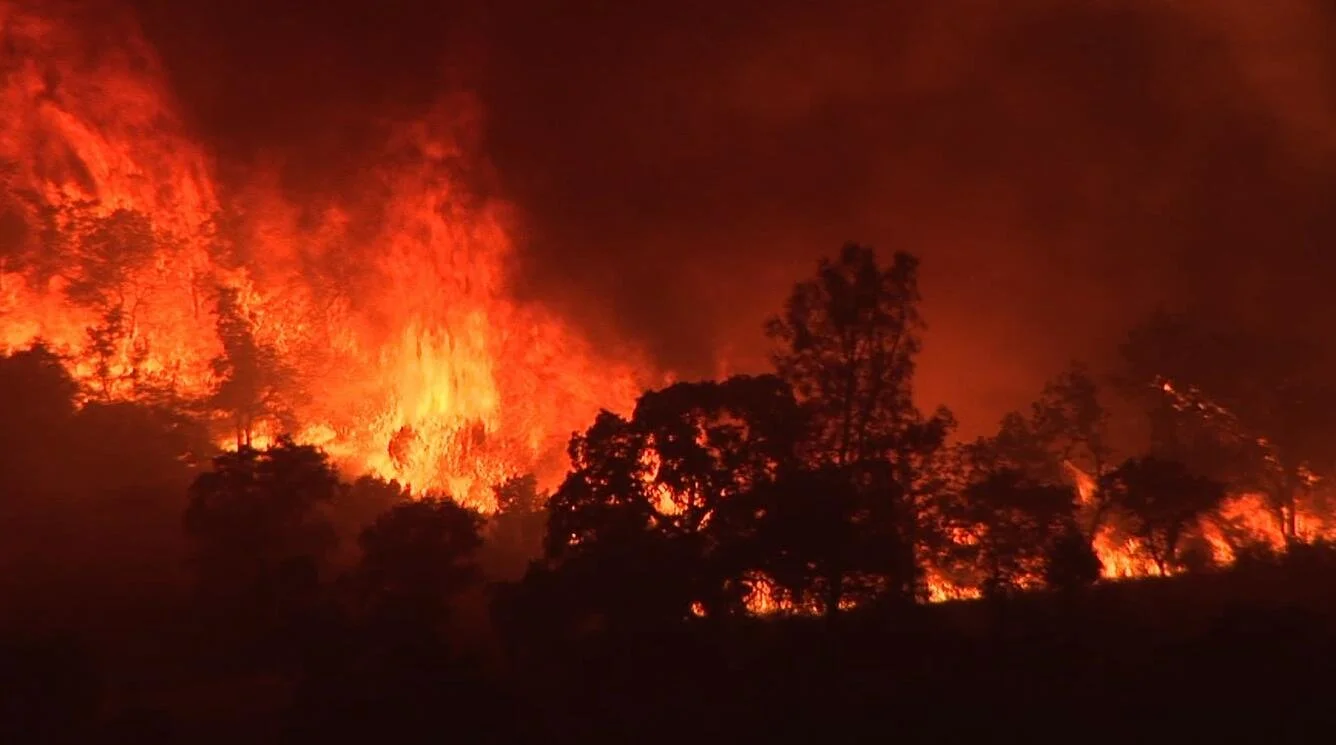
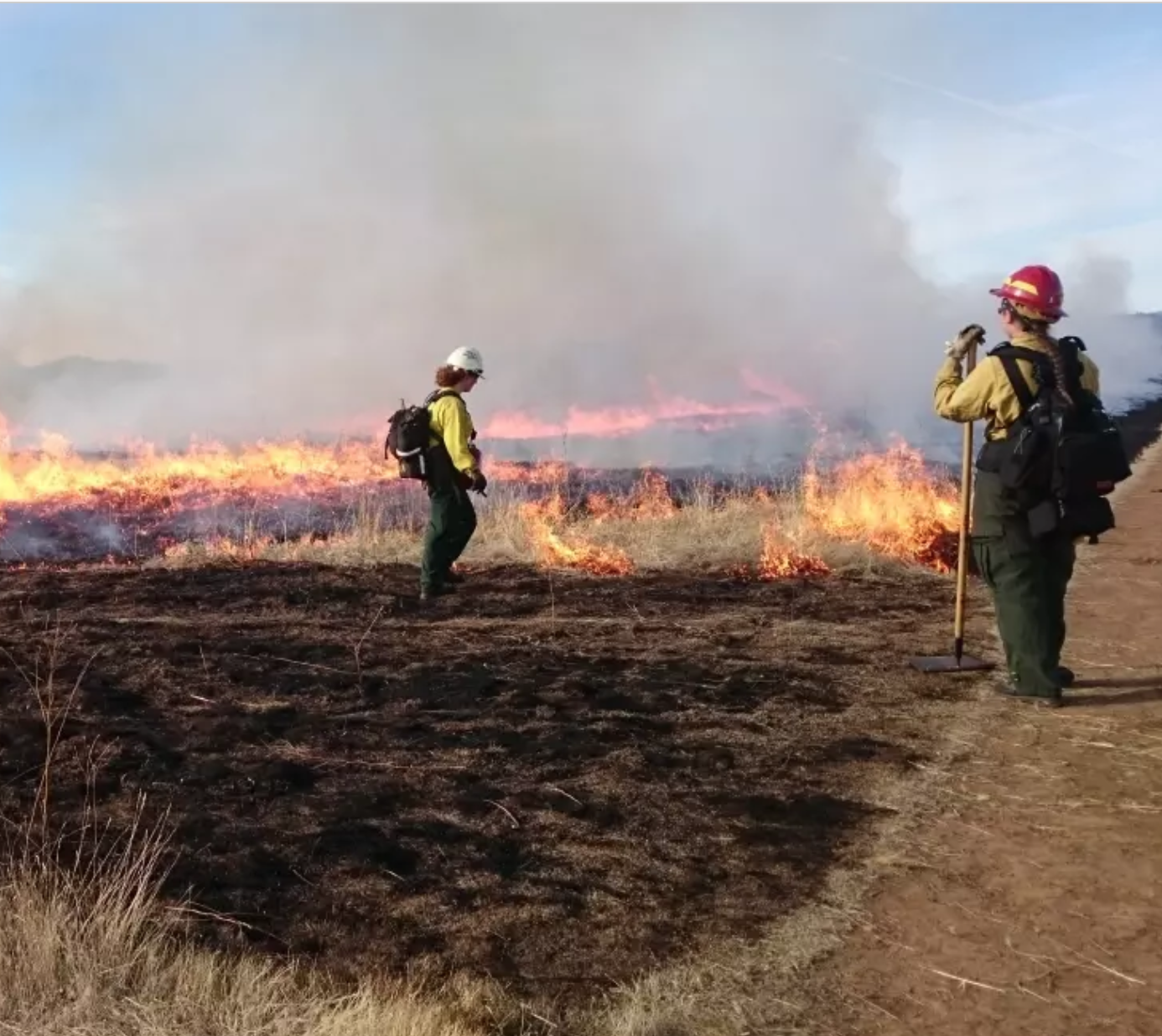
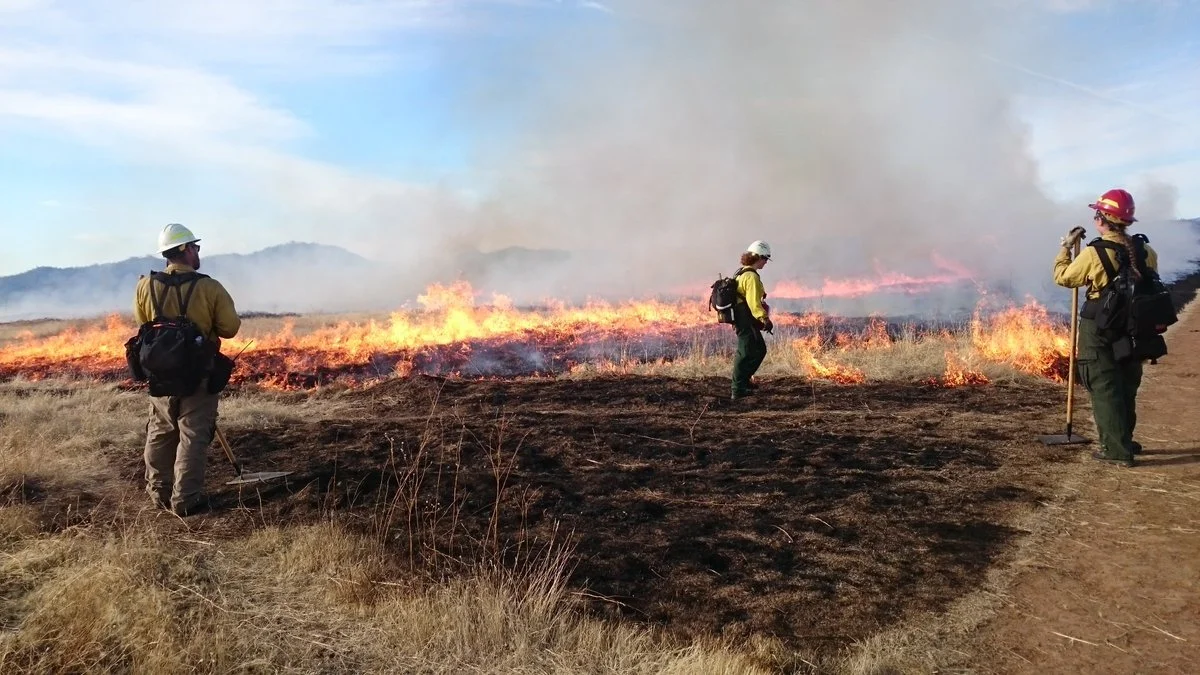
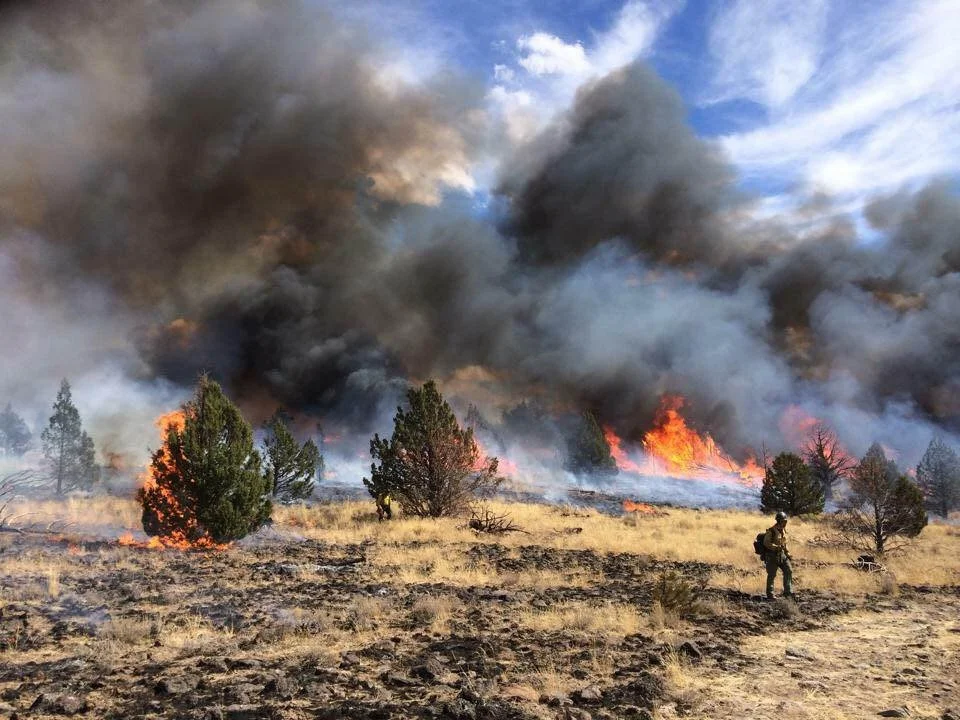
Join us for a two-day workshop as we explore wildfire in the West - where things stand now, what we can learn from the past, and what the future might look like.
Read more about what we have planned and how to apply!
(All times Eastern.)
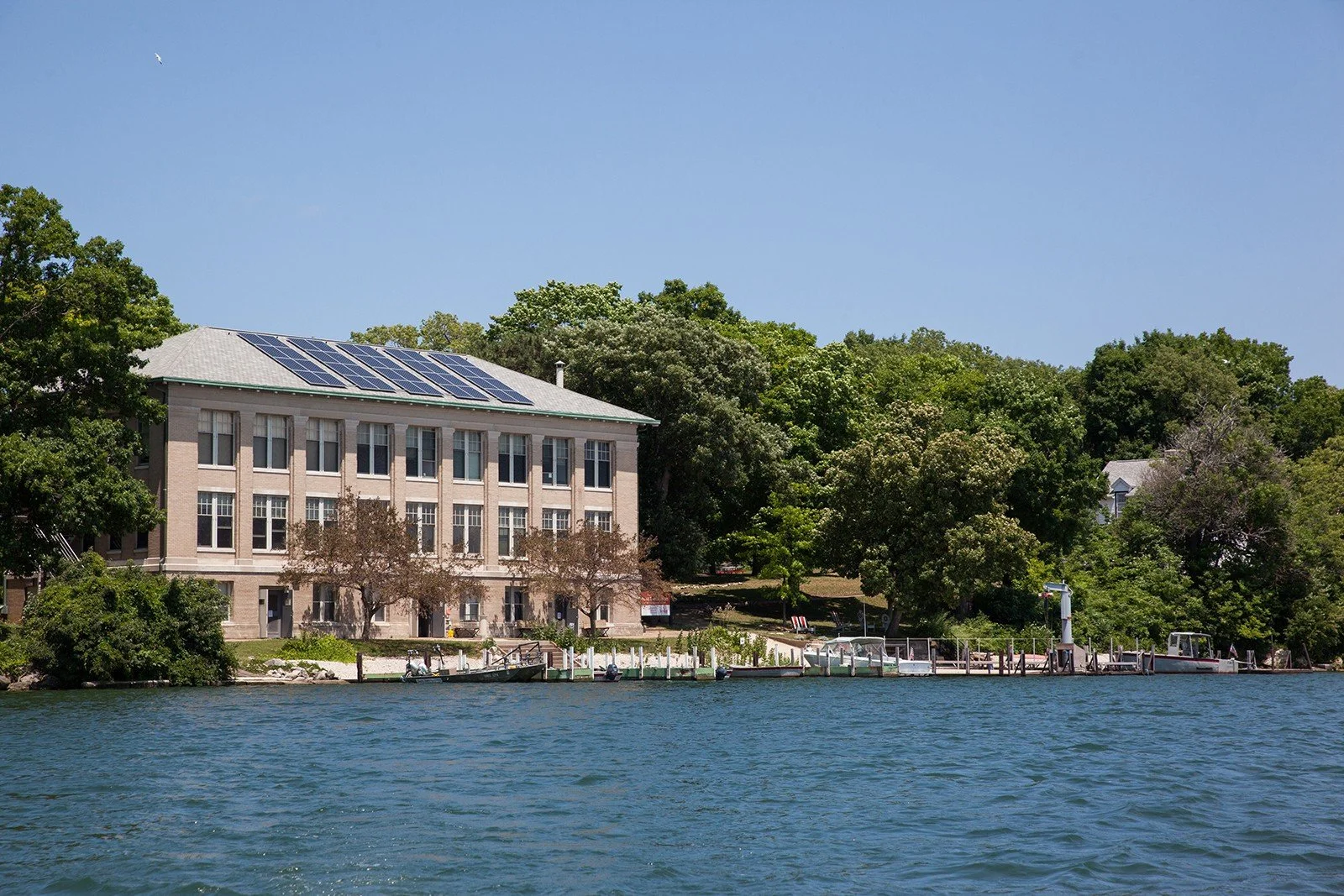
Join us as we learn about some of the most important issues impacting the Great Lakes.
This program will run from noon to 5pm (Eastern) for four consecutive Thursdays in May (the 6th, 13th, 20th and 27th).
Stay tuned for more details about our first-ever virtual Institute!
Join us for the second in our four-part ocean and climate series.
Read more about what we have planned and how to apply!
(All times Eastern.)
We invite editors to join us for a one-day training on environmental racism.
Join us for a two-day virtual workshop as we discuss PFAS contamination in communities across the country.
It’s part 25th Anniversary party, part send-off and all can’t-miss! We’ll consider the state of journalism, swap stories, and just generally enjoy each other’s company once again. Alumni, check your email for an invitation. (Didn’t get it? Check your spam or send us a note so we can update your email address!)
Check out what we have planned!
Cost: Are you kidding? It’s IJNR! (though of course donations are always welcome).
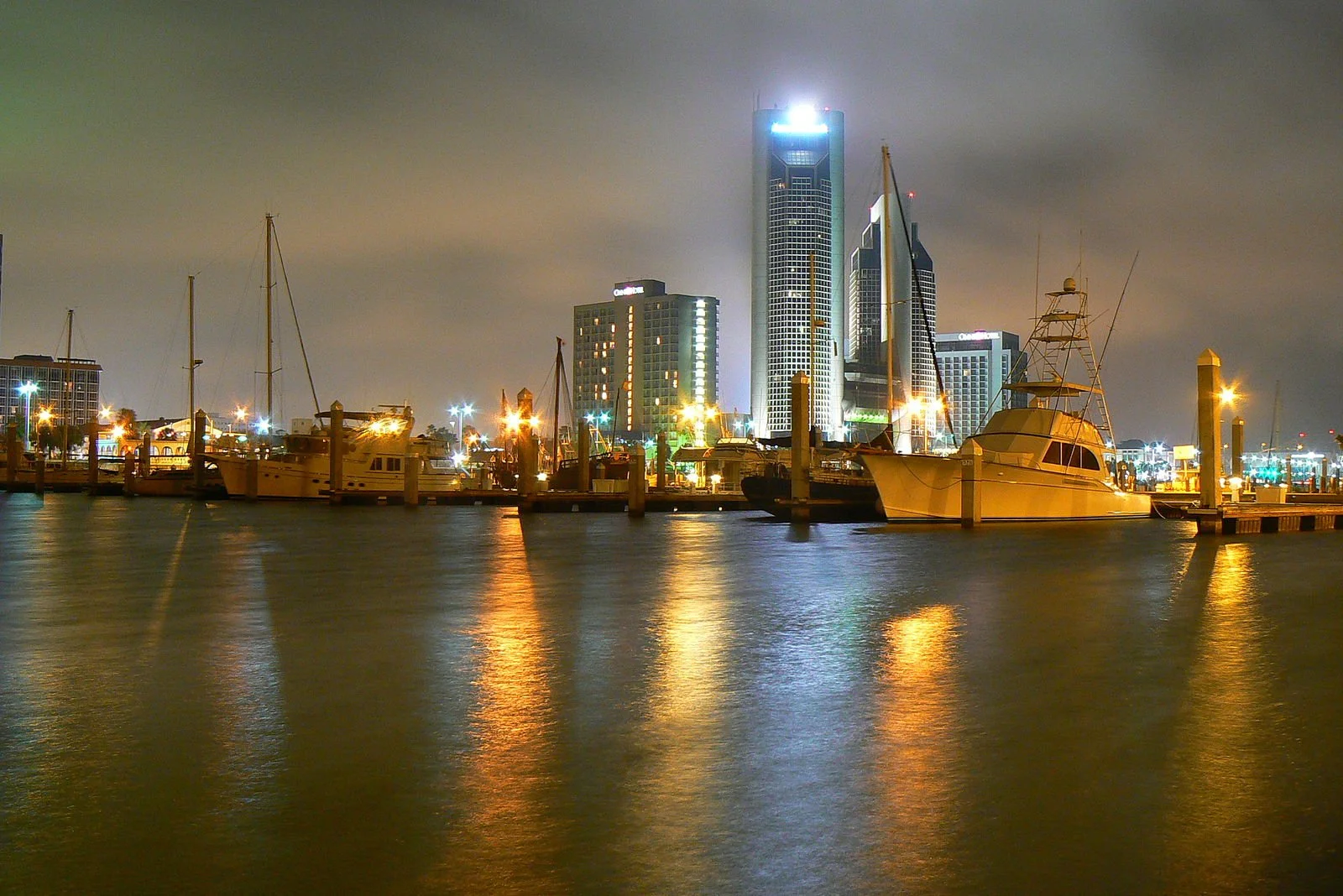
Join us for a two-day virtual workshop investigating the ecology, economy and more of the Gulf of Mexico and the U.S. Gulf Coast.
How have environmental regulations changed during the current administration, what impacts have these changes had on communities, and what might the future hold?
Join us for a conversation with current and former EPA employees, concerned citizens, and other experts, and learn about tools to track EPA regulation and enforcement.
SEJ’s annual conference has been postponed until June of 2021 due to Covid-19. We’re still hopeful that we’ll be able to conduct the post-conference tour, when we’ll meet in Boise and then travel further afield for a four-day, short-format Institute exploring wildlife, conservation, connectivity, politics, economics, and other issues in Idaho and adjoining states.
In the meantime, join us for a short virtual workshop that will offer a primer on the issues we’ll be covering next summer.
Join us for a two-day virtual workshop as we discuss the impacts of climate change on the ocean, hear scientists’ predictions and recommendations, discuss implications with shipping, fisheries and tourism industry representatives, talk with ocean advocates, and consider impacts on ocean-reliant communities.
Registration is now full.
Join us for a 2-day virtual workshop focused on environmental issues, race and reporting, using Houston and other cities as case studies to explore larger systemic issues prevalent throughout our nation.
Read more about what we have planned.
(photo: Houston Peace and Justice Center)
WORKSHOP FULL - REGISTRATION CLOSED
*Due to the COVID-19 pandemic, all in-person programming has been suspended for the foreseeable future. But that doesn’t mean high waters won’t continue to assault Great Lakes shorelines.
Join us for a a series of LIVE online conversations with scientists, city officials, state agencies and shoreline homeowners as we explore the record-high water levels that are wreaking havoc on coastal communities. We’ll learn why the Lakes are on the rise – and what options swamped citizens and municipalities have to address the flooding as we identify important and emerging stories that deserve to be told.
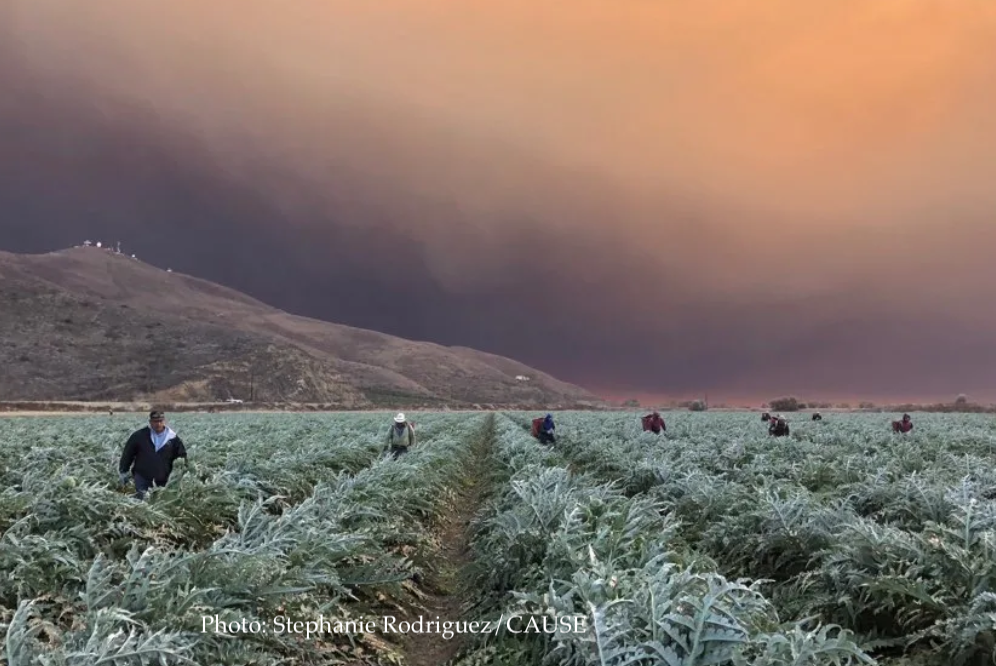
*Unfortunately, the COVID-19 pandemic has put a halt to all in-person programming for the foreseeable future. BUT that doesn’t mean wildfire season is taking a year off! We’ll host a two-day series of online conversations with leading wildfire experts as we get journalists up-to-speed on the wildfire beat.
Read more about what we have planned! (NOTE: “Had” planned - but we’ll still be hearing from most of these experts – and a couple others!)
Please read more about our special initiative, intended to support journalistic projects investigating Marine Indigenous Protected and Conserved Areas in Canada.
Join us as we explore a host of issues impacting the Gulf Coast in Louisiana, Mississippi and Texas.
Read more about what we have planned, where we’re headed, and who the Fellows are!
Now accepting proposals for our 2020 Field Reporting Awards!
Apply for grant funding to help defray reporting costs. Read more and find out how to apply.
Join us in Chicago for a 2-day workshop on Asian carp: How they got here, current efforts to protect America’s waterways, and what the future of this invasive species might hold.
Join us in Alaska to learn about salmon ecosystems, the region’s fisheries, proposed development, and more.
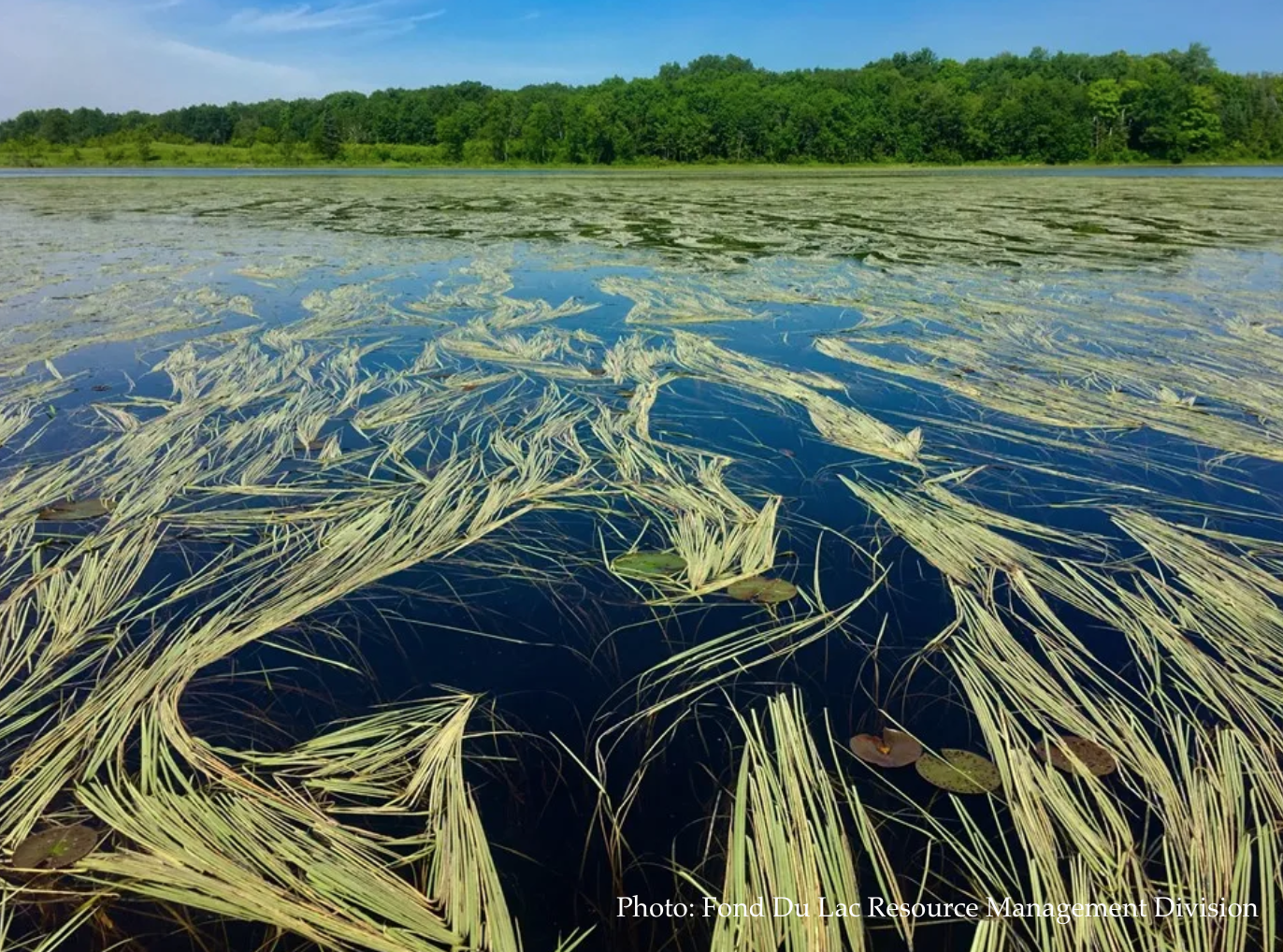
Join us in the Great Lakes Basin to learn about water quality in the United States.
Read more about what we’re planning!
The application period for this Institute has closed.
Learn more HERE about where we’re going and what we’re planning!
Last year’s wildfire workshop was so popular that we’re doing it again!
We welcome journalists to join us in Missoula, MT, for a workshop exploring our current relationship with wildfire, and what they future may hold.
Read more about what we have planned.
The application period for our 2019 reporting awards will begin Monday, January 7, and will close on Friday, March 15.
Find more information on our various field reporting awards and how to apply HERE.
The Great Lakes represent 20 percent of the world’s available fresh surface water, but this incredible resource is challenged in a number of ways. The 2018 SEJ post-conference tour, presented by the Institute for Journalism & Natural Resources (IJNR), will explore environment and natural resource issues in northern Michigan, where lakes Superior, Michigan and Huron come together (and also happens to be spectacular in October!).
This tour is NOW FULL. If you’d like to be listed as an alternate, please contact us at contact@ijnr.org.
Read more about what we have planned.
On this institute we'll take a look at the economic and ecological impacts of this major shipping thoroughfare, including topics such as endangered and invasive species, as well as the impacts of current agricultural and municipal practices as well as the region's legacy of industrial activity.
Application period closed.
Tainted water. Oil refineries. Incinerators. Steel mills. Interstate freeways. Lead pipes. Lead paint. Food insecurity. Old schools. Old homes. All are known to cause human health problems – and all are part of everyday life in cities across the United States.
It’s a public health crisis – and a deep journalistic well of stories.
Using Detroit as a model, the Institute for Journalism & Natural Resources (IJNR) will conduct an all-expenses-paid workshop over two days designed to help journalists understand how environment problems impact communities.
Early registration limited to NABJ convention attendees and/or members. Remaining spots, if they exist, will be made available in mid-July.
This institute will explore the upper reaches of the Mississippi River basin, and take a deep dive into agriculture, water quality, and the implications of the next Farm Bill.
Read more about where we're headed and what we have planned!
IJNR invites journalists to register for our The Future of Wildfire workshop, to be held in Missoula, MT.
THIS WORKSHOP IS NOW FULL, AND REGISTRATION IS CLOSED.
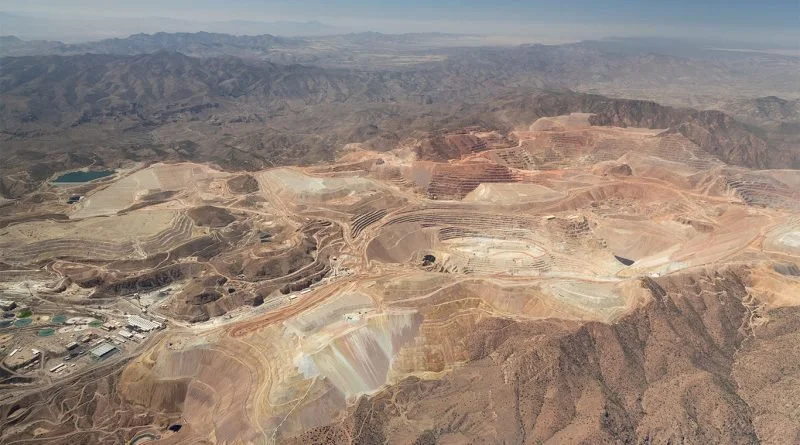
Join us as we travel throughout the lower basin of the Colorado River, exploring issues of resource allocation, agriculture, environmental justice, development, climate, border politics and more.
Application period now closed.
Read more about where we'll be headed and what we'll be doing!
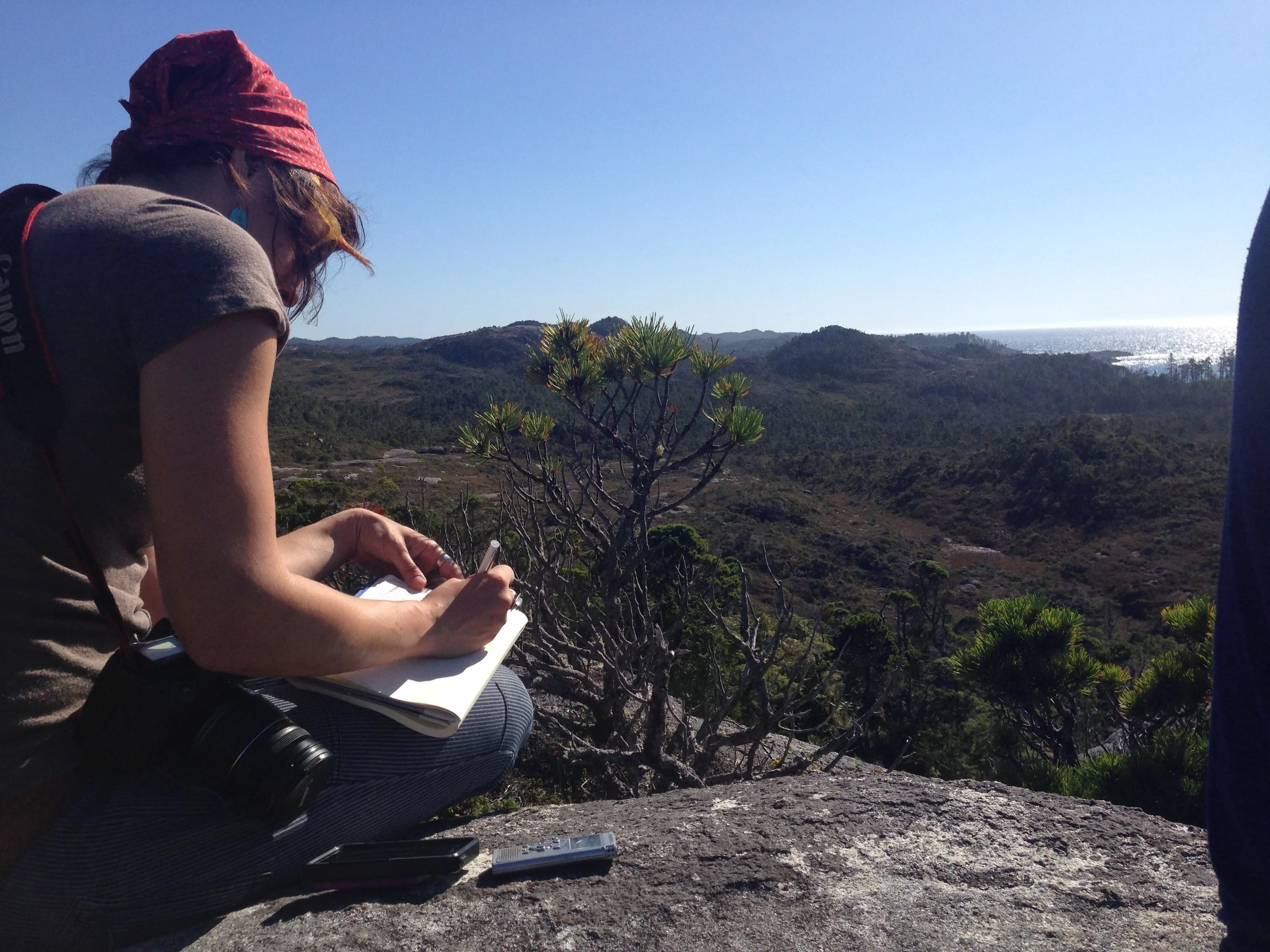
The Great Bear Rainforest and Great Bear Sea together form one of the most biologically diverse and ecologically rich systems on Earth. At more than 6.4 million hectares (~25,000 square miles), the Great Bear Rainforest is one of the largest remaining tracts of unspoiled temperate rainforest left in the world, home to vast stands of pine, fir, and cedar, as well as populations of wolves, grizzlies, and Kermode or "Spirit" bears. Just offshore, Pacific currents fuel a food web that supports whales, seals, otters, birds and fish.
In Fall 2017, we'll be taking a select group of journalists into this incredible landscape.
Application period now closed.
The Institute for Journalism & Natural Resources invites journalists to join us in Milwaukee on August 6th and 7th for a workshop exploring the federal budget proposal and its potential impact in the Great Lakes.
There's an adage in the American West that "Whiskey is for drinking, water is for fighting over," and perhaps nowhere do those words appear to ring truer than in the Colorado River Basin. Come find out about trans-basin diversion, water rights, water law, agriculture, allocation, a history of extractive industry, endangered species and much more!
Application period now closed.
Read more about what we're planning!
We tend to think of the lack of access to clean, safe drinking water as a problem suffered only in "developing" countries, but recent events in North America have brought to light the fact that our own water is not to be taken for granted. From lead in Flint's pipes and algae in Lake Erie, to uranium in Arizona wells and mining waste in Colorado rivers, threats to our water supply abound. There is, perhaps, no better place to explore these issues than the Great Lakes -where 40 million people get drinking water from a basin holding one-fifth of all of the world's available fresh surface water.
Read more about what we'll be covering!
Application period now closed.
This June, Waukesha, Wisconsin, became the first U.S. city outside of the Great Lakes watershed to receive permission to withdraw water under the Great Lakes Compact - a 2008 law that gives states bordering the lakes control over water diversions. While all eight Great Lakes state governors approved Waukesha's request, the city's 13-year-long saga wasn't without controversy. While some see the Compact doing its job and forcing concessions while still offering clean, reliable water to a community in need, others see the Waukesha approval as a slippery slope toward other thirsty cities getting to take a drink.